ItOpened Blog · Booking Systems
How Recreation.gov Release Windows Actually Work
Most people think a sold-out campground simply filled up. In reality, Recreation.gov inventory is metered out in windows — daily rolls, monthly block drops, and split releases — and if you don't know which pattern your campground uses, you're competing blind.
Quick answers
- Does Recreation.gov release all campsites at once?
- No. Inventory is released in windows set campground by campground: rolling daily windows (most common), monthly block releases on a fixed date and time, and split releases that hold a share of sites back until days before arrival.
- What time do Recreation.gov reservations open?
- It depends on the campground's pattern and is printed in its official listing. Common release times in the listings include 7:00 a.m., 8:00 a.m., and 10:00 a.m. in the stated time zone — Yosemite's campgrounds, for example, release at 7:00 a.m. Pacific.
- How far ahead can you book on Recreation.gov?
- Commonly six months on rolling windows. Some systems differ: Yosemite campgrounds release five months ahead in a monthly block; some group sites book six months out only in peak season. The listing for each campground states its own rule.
Recreation.gov is the booking front door for most reservable federal recreation in the United States — national park campgrounds, Forest Service sites, BLM and Corps of Engineers campgrounds, plus permits, tours, and timed-entry tickets. It looks like one system. Underneath, it is thousands of individual release rules, set property by property, and the single biggest advantage you can have is knowing the rule for the exact campground you want.
We analyzed the official listing text for all 4,931 reservable campgrounds in the federal directory (the Recreation.gov RIDB export, October 2026) to map how releases actually work. Three patterns cover nearly everything.
Pattern 1: The rolling daily window (most common)
Under a rolling window, each calendar day unlocks exactly one new arrival date at the far edge of the window — most often six months out. If a campground books six months ahead on a rolling basis, then today at the release time, sites for the date six months from today appear; tomorrow, the next date appears. The word "rolling" appears in 379 of the 4,931 official campground listings we analyzed, and it is the default mental model for most Forest Service and Corps of Engineers campgrounds.
The strategic consequence: there is no single "booking day" to circle. There is a booking morning, every morning, and the people who get Saturday nights in July are the ones who show up on the specific January morning when that Saturday unlocks — logged in, dates set, ready to check out in seconds.
Pattern 2: The monthly block release
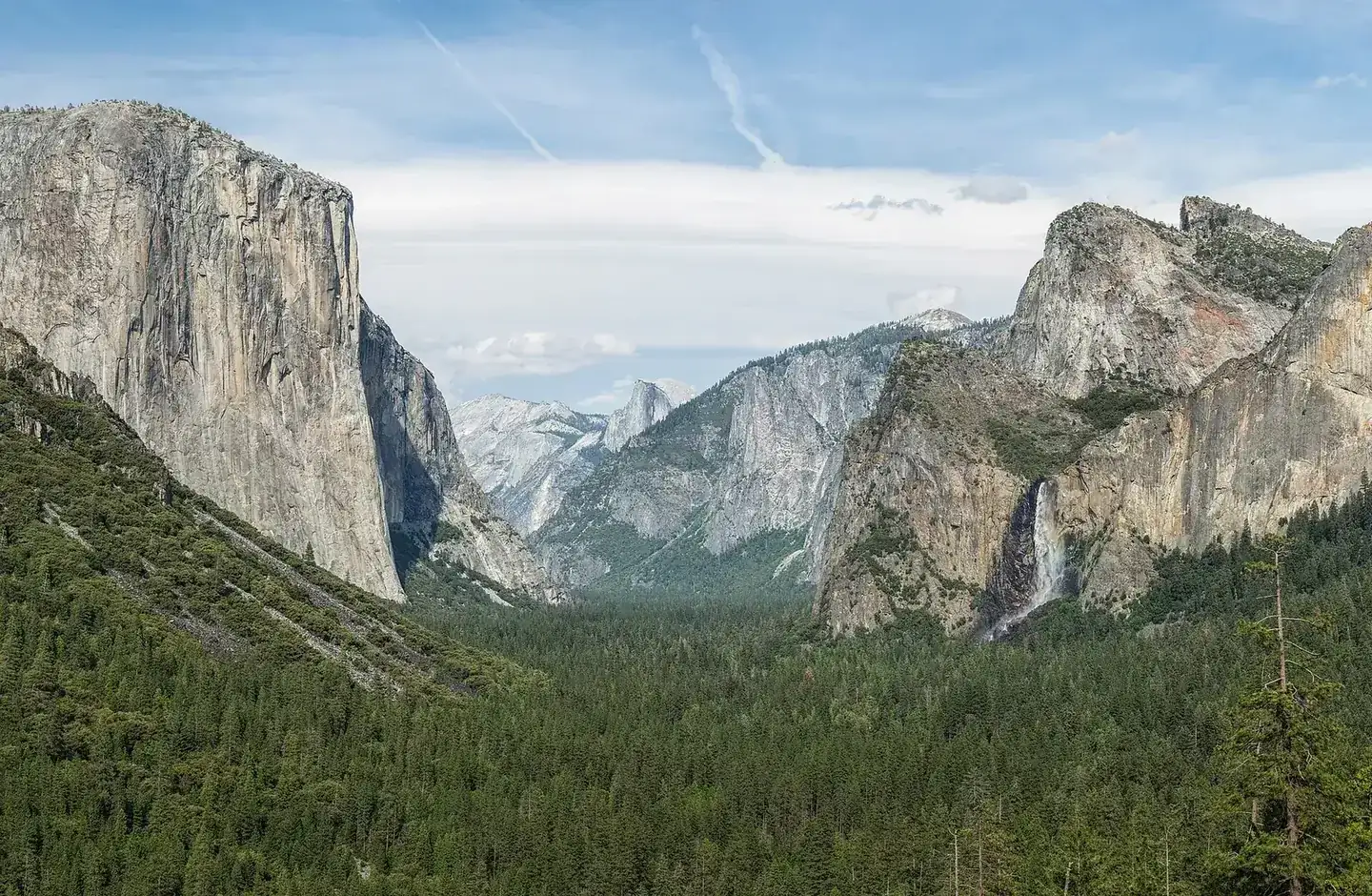
Some of the most in-demand systems release a whole month of inventory in one drop, at a fixed date and time. Yosemite is the famous example: per the park's official listing text, Yosemite Valley campgrounds such as Upper Pines are "available to reserve up to five months in advance on the 15th of each month at 7:00 a.m." Pacific. One morning, an entire month of Yosemite Valley nights appears — and the good ones are gone within minutes.
Acadia's Seawall Campground uses a different block shape, again per its listing: "90 percent of campsites are released six months in advance on the first of each month at 10 am EST." Note what that implies — a block release with a held-back remainder, which leads to the third pattern.
Pattern 3: The split release
Many properties deliberately hold inventory back. A listing in the directory states it plainly: "These block releases will be 6 months in advance and 7 days in advance." Part of the inventory drops months out; the rest appears a week (or a few days) before arrival. Seawall's roughly 90/10 shape is the same idea. If you struck out in the early release, the late release is a genuine second chance — and it is far less contested, because most people never learn it exists.
Why everything is gone at 10:01
Release mornings concentrate months of demand into a few minutes. Three mechanical facts make it feel rigged when it isn't:
- Held carts recycle. When someone adds a site to their cart, it's held while they check out (Recreation.gov checkout holds run about 15 minutes). Abandoned or timed-out carts return their sites to the pool — which is why a date can show sold out at release and flicker back briefly afterward.
- Speculative bookings are common. At six months out, many people book first and decide later. Those reservations are the cancellations that feed the all-season trickle (see how campsite cancellations actually work).
- Weekends are a separate, harder market. For any given release, Friday and Saturday nights draw a multiple of weekday demand. The same campground can be a blood sport for Saturdays and bookable for Tuesdays.
The playbook
First, find your campground's pattern before anything else — it is printed in the official listing's description on Recreation.gov, and we surface the same directory facts on every campground page here. Second, convert the release time to your own time zone and be logged in, with payment details saved, before it hits. Third, aim at the shoulder: the Friday before and the Sunday after a peak weekend, and weekday nights, convert at far higher rates. Fourth, if you miss, don't conclude it's over — between cart recycles in the first hour and cancellations all season, "sold out" is a state that flickers. Watching it systematically is the entire reason ItOpened exists.
What the listings themselves say: our count
To keep this concrete, here is what we found when we counted the release language across all 4,931 reservable campground listings in the official directory export. Among listings that state an explicit booking horizon, six months dominates overwhelmingly — 72 listings say so in as many words — with 12-month horizons next (11 listings, mostly group and event facilities) and five-month horizons after that (6, Yosemite's family among them). Separately, 379 listings use the word "rolling" to describe their release, and dozens print an exact release clock-time, with 6:00, 7:00, and 10:00 a.m. the most common hours named. The takeaway is not the specific tally; it's that there is no system-wide rule to memorize. There are thousands of local rules, each printed in plain sight, and the campers who internalize their target's rule are playing a different game from everyone refreshing the homepage.
A worked example: one July Saturday, three campgrounds
Say you want Saturday, July 18, 2026, at three different places. In Yosemite Valley (five-month block, released on the 15th at 7:00 a.m. Pacific), that night is part of the February 15 release — one morning decides it. At Seawall in Acadia (90% released six months ahead on the first of the month at 10:00 a.m. Eastern), the bulk of that Saturday appears January 1, and a held-back remainder comes later, closer to the date. At a rolling-window Forest Service campground, that Saturday simply unlocks six months prior, on January 18, at whatever hour the listing states — no announcement, no event, just one more morning in a season of identical mornings. Three campgrounds, three entirely different "booking days" for the same night. Every failed reservation we have ever heard described as "the system is broken" was, on inspection, a calendar error of exactly this kind.
Release-day hygiene
Whatever the pattern, the release itself is won or lost on preparation measured in seconds: be logged in before the window opens (Recreation.gov sessions expire); have the campground, dates, and site-type filters set on the exact page; know your second and third choices in advance, because the interface will not wait while you deliberate; and complete checkout promptly — the ~15-minute cart hold protects a decisive booker and punishes a hesitant one, and abandoned carts are precisely what feed the recycle trickle described in our cancellation guide. If your party needs two adjacent sites, book them in the order of scarcity, not preference: the rarer configuration first.
Frequently asked questions
Is there one universal Recreation.gov release time?
No. Release times are set per campground and printed in its listing — 7:00 a.m., 8:00 a.m., and 10:00 a.m. in various time zones all appear in official listings. Anyone who tells you a single universal time is guessing.
Do all campgrounds book six months ahead?
No. Six months rolling is the most common pattern, but Yosemite releases five months ahead in monthly blocks, some group sites book six months out only in season, and split releases hold inventory until days before arrival.
Where can I find my campground's release rule?
In the description text of its official Recreation.gov listing. Our directory pages republish the same official facts for 4,958 reservable campgrounds.
If a campground shows sold out, is it really full?
It means no reservable site is available for your dates at that moment. Availability changes constantly as carts time out and reservations are cancelled — sold out is a snapshot, not a verdict.
Sources
- Recreation.gov RIDB full export (official federal facility directory), October 28, 2026 — ItOpened analysis of 4,931 reservable campground listings: 379 mention rolling releases; 51 state an explicit months-in-advance block; quoted listing text for Upper Pines (Yosemite) and Seawall (Acadia) campgrounds.
- Recreation.gov campground listing descriptions (the managing agencies' own published release rules), accessed October 2026.
Every figure in this article traces to one of the sources above. If a number isn't sourced, we don't print it.
Last updated 2026-10-30.