National Park Service · Oregon
Crater Lake National Park campsites, sold out? Here's how spots come back.
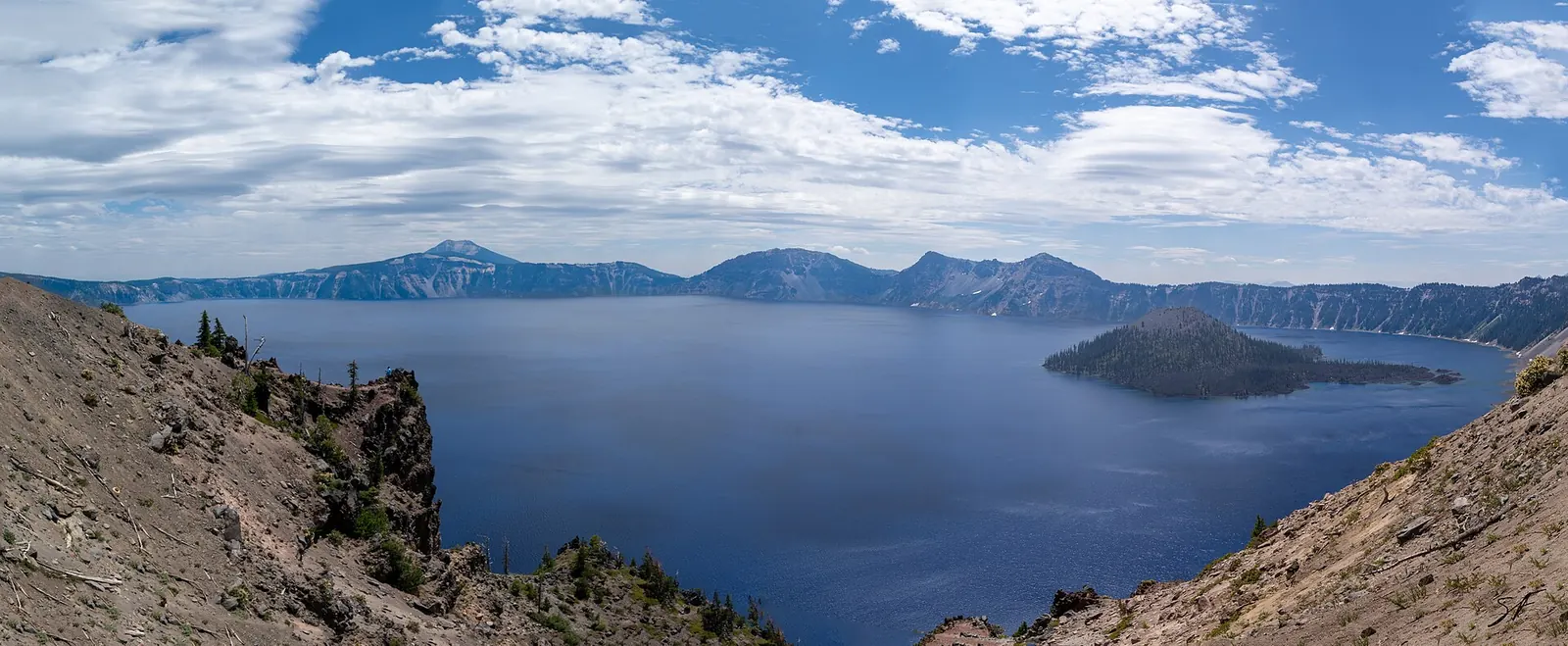
Crater Lake inspires awe. Native Americans witnessed its formation 7,700 years ago, when a violent eruption triggered the collapse of a tall peak. Scientists marvel at its purity—fed by rain and snow, it’s the deepest lake in the USA and one of the most pristine on Earth.

How booking at Crater Lake National Park works
Reservations for Crater Lake National Park are made through Recreation.gov. In peak season, the most popular campgrounds are typically claimed within minutes of each release — which is why the park reads as "sold out" for most of the year.
Sold out is not final, though. People book far ahead and plans change, so cancellations return to the official calendar throughout the season — with no announcement, at any hour. A cancelled site is bookable by whoever sees it first.
Booking facts
| Managed by | National Park Service |
|---|---|
| Book through | Recreation.gov |
| Location | Crater Lake, OR |
| Campgrounds | 1 |
| Official listing | Recreation.gov |
Campgrounds in Crater Lake National Park
Set a watch on the whole park, or go straight to the campground you want — each one has its own availability and cancellation pattern:
| Mazama Village Campground | 216 sites |
|---|
How itOpened watches Crater Lake National Park
We scan the official Recreation.gov calendar for Crater Lake National Park around the clock. The second a site that matches your dates and equipment opens up, you get a text with a direct link to that exact site. You book it yourself, in your own account, at the normal price. We never book, hold, or resell anything — monitoring is all we do, and it's what your fee pays for. Openings are first-come, so a text beats an email every time.
Page data refreshed 2026-10-29. Availability facts come from the official directory listing for Crater Lake National Park; cancellation statistics come from our own scanning logs.