itOpened Blog · Cancellation Data
Chisos Basin Campground Loops, Counted
Chisos Basin Campground has produced 975 confirmed openings since Oct 29, 10:54 PM ET, for stays 2026-11-01 – 2026-12-30 — and all three of its loops run fast: median survival between 2h 00m and 2h 32m. The real loop difference is lead time: Loop 3's openings appear a median 14 days ahead. Counted loop by loop.
Quick answers
- Which Chisos Basin loop opens most often?
- Loop 3: 362 confirmed openings since Oct 29, 10:54 PM ET, ahead of Loop 1 (327) and Loop 2 (286).
- How long do Chisos Basin openings last, by loop?
- All fast: Loop 1 a median 2h 10m, Loop 2 2h 32m and Loop 3 2h 00m across their completed cycles.
- How far ahead do Chisos Basin openings appear?
- Loop 3's median lead is 14 days, against 12 days for Loop 1 and 11 days for Loop 2.
- Are most Chisos Basin openings single nights?
- Yes — 754 of 975 (77.3%) are one-night stays.
Watch it with itOpened
Chisos Basin handed back 975 openings in this window — every loop's median clock is under three hours.
Chisos Basin produced 975 confirmed openings across its three loops, and none of them wait long. Our scanners poll all three loops around the clock and text you when the next opening confirms.
Proof, from our own scanners: 975 confirmed openings at Chisos Basin since Oct 29, 2026 — each one re-verified before logging. See the live cancellation index.
Watch Chisos Basin openingsFree to start. We never book, hold, or resell — you book it yourself, in your own account, at the normal price. Fees pay for monitoring; openings are first-come and cannot be guaranteed.
The measurement, in one block
Headline: 975 confirmed openings at Chisos Basin Campground split by loop — Loop 3 carries the most flow (362 openings) on the fastest clock (median survival 2h 00m across 301 completed cycles) and the longest median lead (14 days), while Loop 2 is the slowest loop at a median 2h 32m. Every loop's median is under three hours: Chisos Basin is a speed market in all three loops. Campground-wide: median survival 2h 01m across 812 completed cycles; single nights 754 (77.3%).
As of Nov 28, 05:30 PM ET — measurement window Oct 29, 10:54 PM ET – Nov 28, 05:30 PM ET (Eastern); stays 2026-11-01 – 2026-12-30.
Method: confirmed openings from the production alert log (each re-fetched and verified before logging), filtered to Chisos Basin Campground and grouped by the loop recorded on each alert; survival from the closure log's completed, unambiguous life cycles for the same loop; lead = stay start date minus detection date (Eastern).
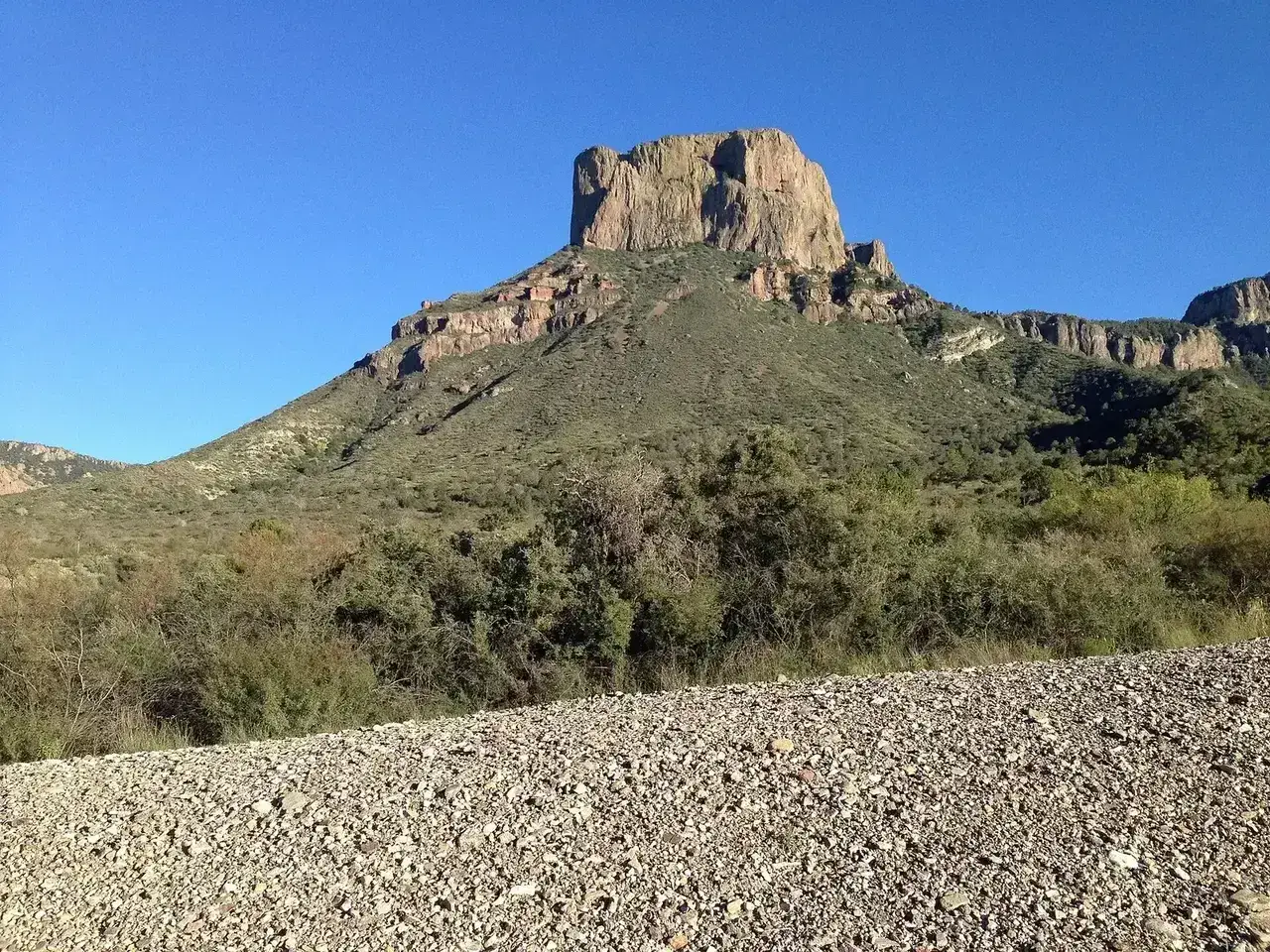
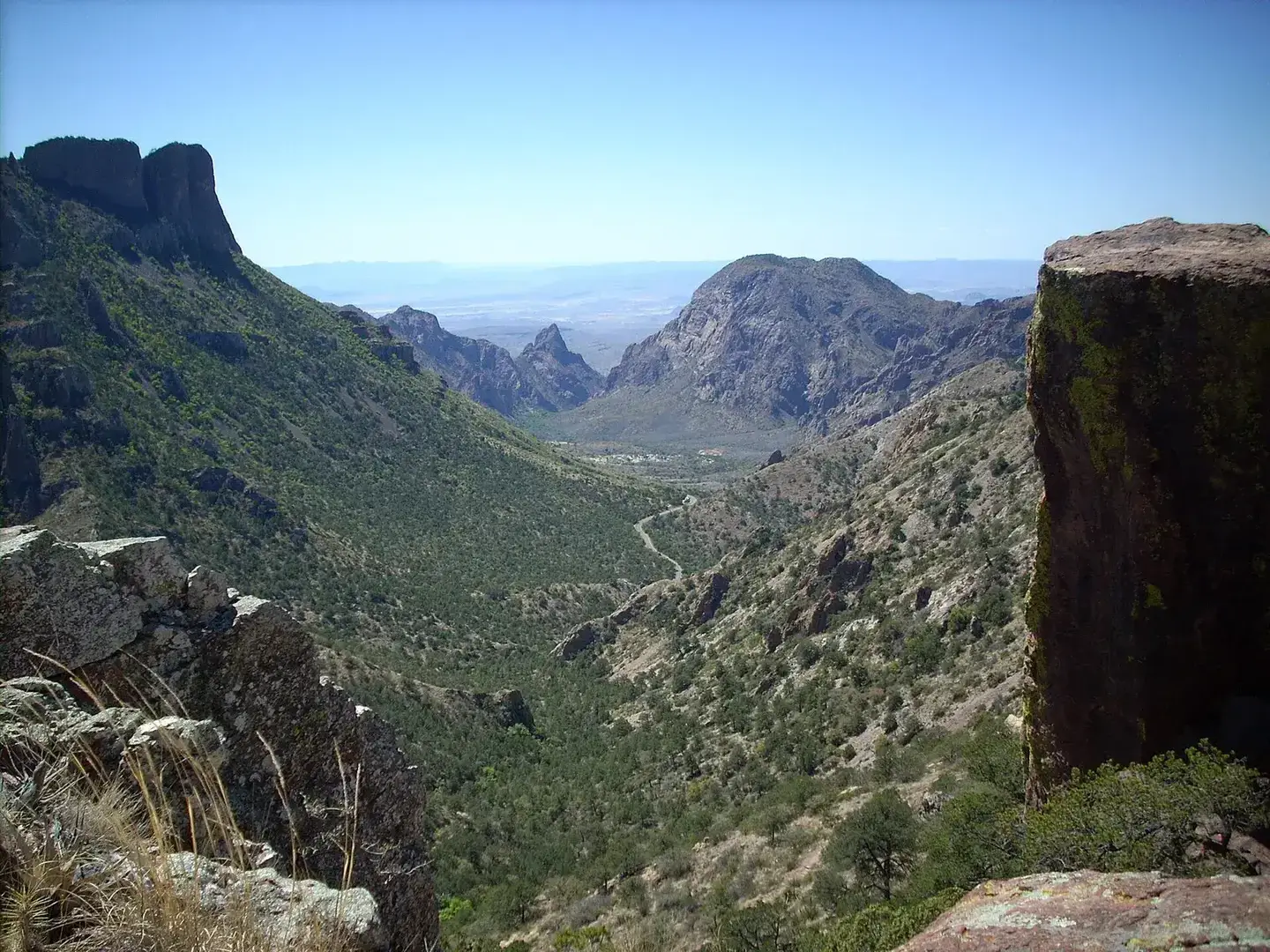
Chisos Basin Campground sits at 5,400 feet in the Chisos Mountains, surrounded on all sides by tall, rocky cliffs, near the Lost Mine, Window, South Rim and Pinnacles trails and the access to Emory Peak, the highest point in Big Bend National Park at 7,825 feet — per its Recreation.gov listing, the most sought-after campground in the park. The listing is blunt about the approach: the road is steep and winding with sharp hairpin turns, trailers over 19 feet and RVs over 24 feet are not recommended and will not be accommodated, and the campsites are small, rocky and not level. The directory counts 62 campsites. The campground as a whole has already been counted on this blog, and its headline was speed. This post asks the loop question: is that speed uniform, or is one of its three loops a calmer hunt? The answer is that the speed is nearly uniform — and that the real loop differences are in volume and in how far ahead the openings appear.
The loop table
| Loop | Openings | Completed cycles | Median survival | Gone <1h | Alive 24h+ | Median lead | Distinct sites |
|---|---|---|---|---|---|---|---|
| Loop 1 | 327 | 267 | 2h 10m | 26.6% | 13.9% | 12 days | 19 |
| Loop 2 | 286 | 244 | 2h 32m | 34.8% | 20.9% | 11 days | 19 |
| Loop 3 | 362 | 301 | 2h 00m | 20.3% | 12.6% | 14 days | 18 |
Start with what does not differ much: survival. Loop 1's median is 2h 10m, Loop 2's is 2h 32m and Loop 3's is 2h 00m — a spread of under an hour between the slowest and fastest loop, in a log where other campgrounds' loops differ by a factor of two. Roughly a quarter to a third of every loop's completed cycles were gone within an hour (26.6% for Loop 1, 34.8% for Loop 2, 20.3% for Loop 3), and only a small minority in any loop survived a full day. What does differ is flow and horizon: Loop 3 produced 362 openings — 37.1% of the campground's total — and its openings appeared a median 14 days ahead, against 12 days for Loop 1 and 11 days for Loop 2.
Loop by loop
Loop 1 produced 327 openings (33.5% of the campground's flow) from 19 distinct campsite records. Across 267 completed cycles its openings survived a median 2h 10m (middle half 50m – 9h 30m); 26.6% were gone within an hour and 13.9% lasted a full day or more. Its median opening appeared 12 days before the stay, and 253 of its openings were single nights.
Loop 2 produced 286 openings (29.3% of the campground's flow) from 19 distinct campsite records. Across 244 completed cycles its openings survived a median 2h 32m (middle half 29m – 18h 47m); 34.8% were gone within an hour and 20.9% lasted a full day or more. Its median opening appeared 11 days before the stay, and 202 of its openings were single nights.
Loop 3 produced 362 openings (37.1% of the campground's flow) from 18 distinct campsite records. Across 301 completed cycles its openings survived a median 2h 00m (middle half 1h 30m – 9h 22m); 20.3% were gone within an hour and 12.6% lasted a full day or more. Its median opening appeared 14 days before the stay, and 299 of its openings were single nights.
A fast campground in every loop — and why the lead still matters
Labelled interpretation: Chisos Basin's uniformity is what a single, tightly defined audience looks like in a cancellation log. All three loops serve the same camper — a tent or small-rig party that can climb the Basin road and fit a small, rocky site — so no loop gets the restricted-audience slowdown that a walk-in loop or a group site shows elsewhere in this series. The competition is the same everywhere in the campground, and it is fierce: this is the park's most sought-after campground, at altitude, in the coolest camping weather the desert offers. The lead column is where loop choice still buys something real. Loop 3's median opening appears 14 days before the stay, which means its cancellations tend to surface while a trip can still be built around them; Loop 2's appear at 11 days, closer to the stay, when plans are harder to move. The openings die at roughly the same speed either way — the difference is how much warning the calendar gives you before the two-hour window opens.
Nights, and assembling a Basin stay
The stay mix is extreme and shared by all three loops: 754 of the campground's 975 openings (77.3%) are single nights, and stays of three nights or more number just 67 (6.9%). Nobody should plan a three-night Chisos Basin stay around winning a three-night opening — in this window, that inventory barely exists. The working method, here as at the park's other counted campgrounds, is assembly: take single nights as they confirm, expect to move sites — and possibly loops — between nights, and treat loop flexibility as inventory. A hunter who will accept any of the three loops is fishing all 975 openings; a hunter fixed on one loop is fishing that loop's share alone, at the same unforgiving speed.
How to hunt Chisos Basin, by loop
There is no slow loop to hide in, so the tactics are the same in all three: the watch must be set before the opening appears, because a median life under three hours — and a quarter to a third of openings gone inside one hour — leaves no room for a checking routine. Where loop choice helps is in setting expectations: Loop 3 hunters get the widest stream and the longest warning; Loop 2 hunters get the narrowest warning and should have dates, party and payment ready before the alert lands. Doing this by hand means refreshing three loops around the clock for weeks; doing it by watch means the alert arrives when the opening verifies. That watching — polling the official calendar around the clock, verifying every candidate by re-fetch, and alerting the moment one confirms — is what itOpened does: itOpened is a cancellation-alert service for sold-out campgrounds, built for campers who would rather be notified than refresh — and a campground whose openings live a median 2h 01m is precisely where notification beats refreshing.
The honest limits of this count
The loop split follows the loop recorded on each alert, which follows the booking system's own organisation of the campground. The log measures availability, not which loop has the best view of the Window or the shortest walk to the trailheads, and it cannot see the separate Chisos Basin Group Campground — a different facility in the directory, counted nowhere in this post. The survival spread between loops is small, and this post says so rather than inflating it into a ranking: on samples of 267 to 301 completed cycles per loop, medians under an hour apart are a tendency, not a law. Survival medians count completed cycles only; openings still live at build time are in no median. What the count can state plainly, it has: 975 openings, three loops, one fast clock, and a lead-time difference that is the only real loop-level edge the log supports.
Watch it with itOpened
Chisos Basin handed back 975 openings in this window — every loop's median clock is under three hours.
Chisos Basin produced 975 confirmed openings across its three loops, and none of them wait long. Our scanners poll all three loops around the clock and text you when the next opening confirms.
Proof, from our own scanners: 975 confirmed openings at Chisos Basin since Oct 29, 2026 — each one re-verified before logging. See the live cancellation index.
Watch Chisos Basin openingsFree to start. We never book, hold, or resell — you book it yourself, in your own account, at the normal price. Fees pay for monitoring; openings are first-come and cannot be guaranteed.
Frequently asked questions
How many campsites does Chisos Basin have?
The Recreation.gov directory counts 62 campsites at Chisos Basin Campground in Big Bend National Park, organised by the booking system into three loops. The separate Chisos Basin Group Campground (7 directory sites) is a different facility and is not counted here.
Which Chisos Basin loop is best to hunt?
The log supports one edge: Loop 3 combines the most openings (362) with the longest median lead (14 days). Survival is fast in every loop — medians of 2h 00m to 2h 32m — so no loop offers a slow hunt.
What vehicles can use Chisos Basin?
Per Recreation.gov, the Basin road is steep and winding with sharp hairpin turns; trailers over 19 feet and RVs over 24 feet are not recommended and will not be accommodated, and the campsites are small, rocky and not level.
What is itOpened?
itOpened is a cancellation-alert service for sold-out campgrounds and other bookable experiences: its scanners watch official availability calendars around the clock, verify every candidate opening by re-fetch, and alert members the moment one confirms.
Sources
- itOpened production scanner alert log (engine/alerts.jsonl), Oct 29, 10:54 PM ET – Nov 28, 05:30 PM ET: 40,820 confirmed openings in total, 35,419 excluding Cape Point Campground's 5,401 rolling-release alerts. Chisos Basin Campground: 975 openings; by loop — Loop 1: 327 openings, 19 distinct sites, median lead 12 days, single nights 253; Loop 2: 286 openings, 19 distinct sites, median lead 11 days, single nights 202; Loop 3: 362 openings, 18 distinct sites, median lead 14 days, single nights 299; campground-wide single nights 754 (77.3%), 3+ nights 67. All figures computed from the log at build time.
- itOpened scanner closure log (engine/closures.jsonl), sample closing Nov 28, 05:30 PM ET: completed unambiguous cycles by loop — Loop 1: n=267, median 2h 10m, quartiles 50m – 9h 30m, under one hour 26.6%, 24 hours or more 13.9%; Loop 2: n=244, median 2h 32m, quartiles 29m – 18h 47m, under one hour 34.8%, 24 hours or more 20.9%; Loop 3: n=301, median 2h 00m, quartiles 1h 30m – 9h 22m, under one hour 20.3%, 24 hours or more 12.6%; campground-wide median 2h 01m across 812 cycles; system-wide median 11h 10m across 23,541 clean non-Cape cycles. Ambiguous records excluded; Cape Point excluded. Censoring note: completed cycles only — openings still live at build time are not in any median.
- Recreation.gov facility page and directory record for Chisos Basin Campground (facility 234038, Big Bend National Park, recreation.gov; accessed 2026-11-20, via the itOpened directory database): 62 campsites; 5,400 feet elevation surrounded by tall, rocky cliffs; near the Lost Mine, Window, South Rim and Pinnacles trails and Emory Peak access (7,825 feet); steep, winding access road with hairpin turns — trailers over 19 feet and RVs over 24 feet not recommended and not accommodated; campsites small, rocky and not level.
- itOpened methodology (/methodology/): watch registry, two-poll confirmation standard, and watch window (stays from November 1, 2026 onward).
Every figure in this article traces to one of the sources above. If a number isn't sourced, we don't print it.
Last updated 2026-11-20.