itOpened Blog · Cancellation Data
Desert Season Is Open — and It Recycles Like Everywhere Else
The camping calendar inverts in late October. Northern campgrounds close loops and drain water lines; the desert parks — Joshua Tree, Big Bend, Death Valley, Zion, Guadalupe Mountains — enter the only months when their ground is comfortably campable, and their reservable sites sell out accordingly. Our scanner log says the sellout is only half the story: those five parks produced 276 confirmed openings in the log's first 30 hours — 33% of everything we recorded, Cape Point's bulk event excluded.
Quick answers
- Which desert parks are recycling the most?
- Joshua Tree leads: 91 confirmed openings across 7 watched campgrounds, led by Jumbo Rocks Campground. The five desert parks in our registry produced 276 openings in total — 33% of the 826 non-Cape-Point openings in the log.
- When is desert camping season?
- Roughly November through April for the low deserts: the National Park Service's own season guidance for Big Bend, Joshua Tree and Death Valley puts the comfortable, high-demand window in the cool months, when summer's dangerous heat is gone. That is why these campgrounds sell out in winter while northern parks sit closed.
- How fast do desert openings disappear?
- At the market's speed, not a desert discount: the 112 completed desert opening life cycles in our closure log had a median survival of 1h 51m, essentially the all-campground median of 1h 51m. Desert hunters get the same ~two-hour clock as Yosemite hunters.
- How far ahead do desert openings appear?
- The median desert opening in the log appeared 12 days before the stay — the same last-minute shape as the wider market. A winter desert trip is most likely to crack in its final two weeks, not at release.
Watch it with itOpened
Rio Grande Village reopened 51 times in 30 hours. Desert season just started.
Big Bend's winter is the hardest camping ticket in Texas — and, on our log, one of the most recycled. Our scanners watch Rio Grande Village around the clock and text you inside each opening's roughly two-hour life.
Proof, from our own scanners: 51 confirmed openings at Rio Grande Village since Oct 29, 2026 — each one re-verified before logging. See the live cancellation index.
Watch Rio Grande Village openingsFree to start. We never book, hold, or resell — you book it yourself, in your own account, at the normal price. Fees pay for monitoring; openings are first-come and cannot be guaranteed.
Every autumn, the American campground map flips. The high country and the northern forests — the places that dominate summer — close for the season or shrink to a loop or two. Demand migrates south and downhill, to the desert parks whose summers are too hot to camp and whose winters are the point. Those parks' reservable campgrounds carry the full weight of cold-season camping demand, and by late October they read "sold out" for weeks at a stretch.
Sold out, as this site keeps documenting, is a snapshot rather than a state. Our scanners have now been running for about 30 hours across 500 watched Recreation.gov campgrounds, and the single clearest geographic pattern in the log is the desert: five parks — Joshua Tree, Big Bend, Zion, Death Valley and Guadalupe Mountains, grouped by the park assignments in our own watch registry — account for 276 of the 826 confirmed openings we recorded (33%), once Cape Point Campground's 200 single-poll bulk alerts are excluded (a seasonal inventory appearance for one November date, not cancellations — excluded here as in every analysis on this site).
The park-by-park count
| Park | Confirmed openings | Watched campgrounds producing openings | Busiest campground |
|---|---|---|---|
| Joshua Tree National Park | 91 | 7 | Jumbo Rocks Campground (26) |
| Big Bend National Park | 73 | 5 | Rio Grande Village (Big Bend, TX) (51) |
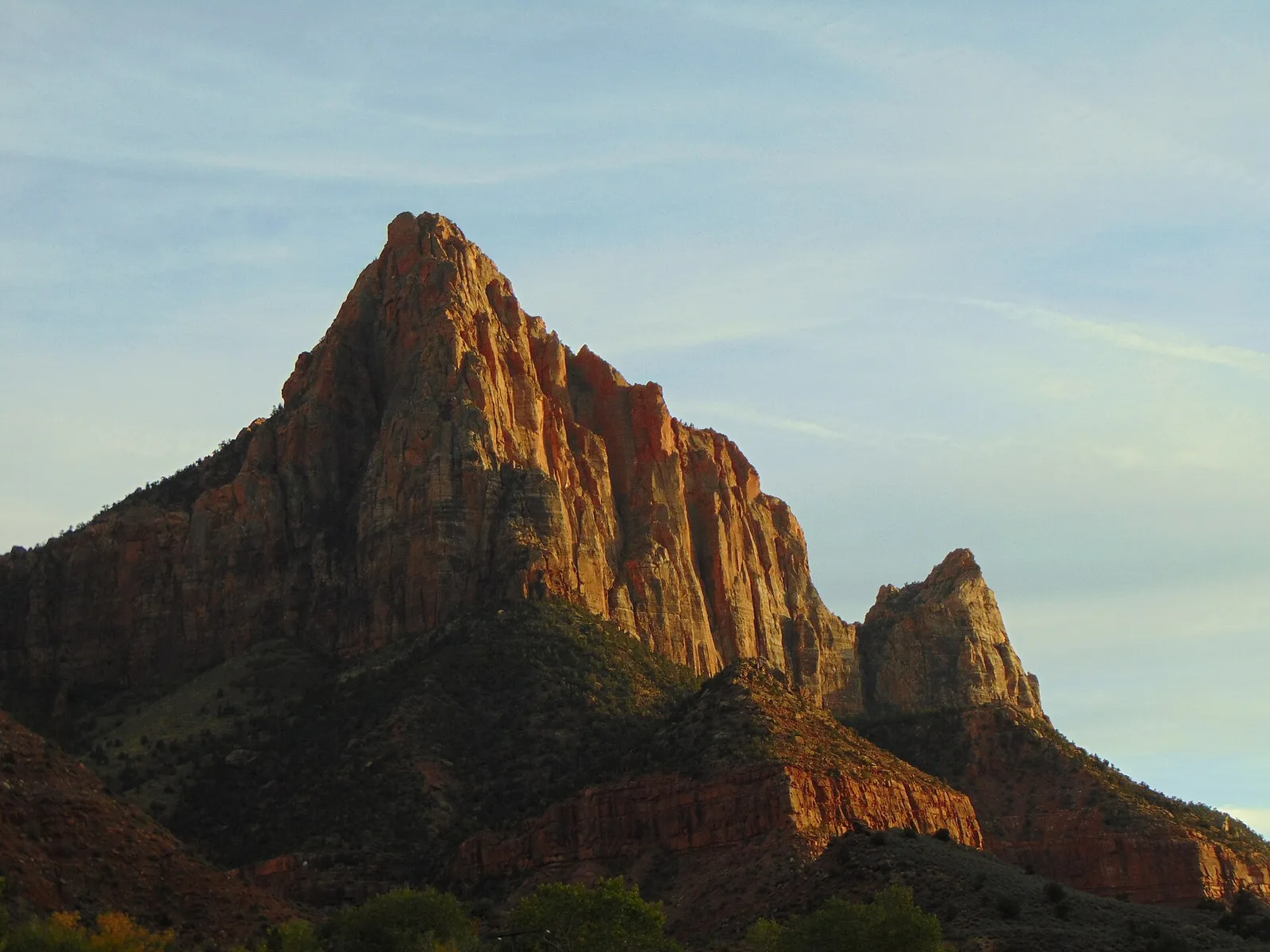
| Zion National Park | 64 | 2 | Watchman Campground (63) |
| Death Valley National Park | 39 | 2 | Furnace Creek Campground (36) |
| Guadalupe Mountains National Park | 9 | 2 | Pine Springs Campground (8) |
Joshua Tree's lead is structural: it is the desert park closest to a huge population (the Los Angeles basin is roughly two hours away), it has the most reservable campgrounds in our desert set, and its named campgrounds — Jumbo Rocks (26 openings) and Indian Cove — are small enough that every cancellation is an event. Big Bend is the mirror image: the most remote park on the list, with the deepest winter demand per site, and its Rio Grande Village campground alone produced 51 openings. Zion's row is really one campground's row — Watchman, the park's reservable basecamp, accounts for nearly all of it, as it did in our recycling-speed table.
Why the desert inverts — and why it still recycles
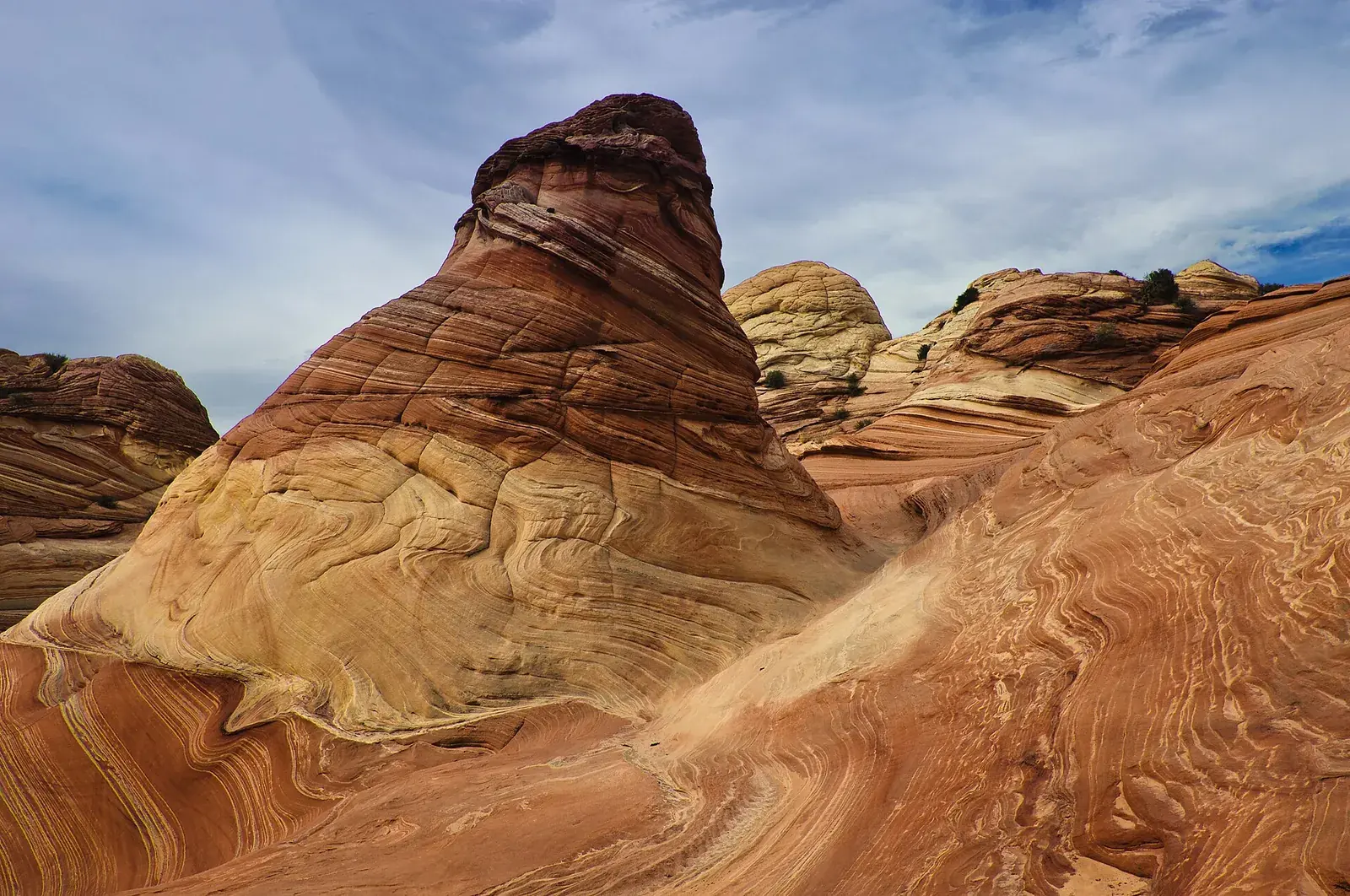
The seasonality is the National Park Service's own framing: for Death Valley, Big Bend and Joshua Tree, the agency's season and weather guidance places the prime visiting window in the cool months, roughly November through April, when daytime temperatures are moderate and summer heat — a genuine safety hazard in all three — has passed. Snowbirds, winter-break families and off-season climbers all arrive in the same window, onto a fixed supply of reservable sites. That is the recipe for a hard sellout.
And a hard sellout, paradoxically, is the recipe for deep cancellation flow — the same mechanism we measured at Upper Pines. A campground can only recycle reservations that exist. Desert winter trips are also unusually cancellable trips: they are weather-optional (a cold snap or a wind event empties a desert weekend fast), they are often one leg of a longer snowbird itinerary that gets rewritten, and many were booked speculatively months ago by people holding two desert weekends and planning to keep one. The result in our log: desert openings appear a median of 12 days ahead of the stay, 166 of the 276 are single nights, and they die at the same median pace as the whole market — 1h 51m across 112 completed life cycles, against 1h 51m overall.
How to hunt a desert winter
Start now, for the whole season — not for one weekend. The flow we measured is for November stays, detected in the season's first days. December through February is the desert's peak; a watch set in October fishes all of it, and the median opening arriving 12 days ahead means the watch earns its keep in the final fortnight before each target date, again and again. Hold a portfolio across parks. Joshua Tree and Death Valley are a few hours apart; Big Bend pairs with Guadalupe Mountains on the same Texas run. A hunter willing to take any of three parks is fishing 276 openings' worth of flow instead of one campground's trickle. Treat single nights as building blocks. With 166 of 276 desert openings lasting one night, the winnable desert trip is often stitched: two single nights, a shifted arrival, a split between Jumbo Rocks and a first-come backup. Respect the clock anyway. The desert discount does not exist — 1h 51m median survival means the text needs an answer in minutes-to-an-hour, not at the evening's leisure.
The limits, plainly
This is roughly 30 hours of observation at the very start of desert season, for November–December stays, across the campgrounds we watch — not a full-season census, and the shares will move as winter deepens and as northern parks reopen in spring. The park groupings come from our watch registry's own park assignments. Openings still alive when the sample closed are not in the survival median, which biases it modestly downward, as we noted in the market-wide survival post. The live, growing counts are always on the cancellation index. But the seasonal headline is already solid enough to plan a winter around: the camping year has moved to the desert, and the desert — 276 confirmed times in 30 hours — cancels like everywhere else.
Watch it with itOpened
Rio Grande Village reopened 51 times in 30 hours. Desert season just started.
Big Bend's winter is the hardest camping ticket in Texas — and, on our log, one of the most recycled. Our scanners watch Rio Grande Village around the clock and text you inside each opening's roughly two-hour life.
Proof, from our own scanners: 51 confirmed openings at Rio Grande Village since Oct 29, 2026 — each one re-verified before logging. See the live cancellation index.
Watch Rio Grande Village openingsFree to start. We never book, hold, or resell — you book it yourself, in your own account, at the normal price. Fees pay for monitoring; openings are first-come and cannot be guaranteed.
Frequently asked questions
What is desert camping season?
For the low-desert parks — Death Valley, Big Bend, Joshua Tree — the comfortable, high-demand season runs roughly November through April, per the National Park Service's season and weather guidance. Summer heat makes those parks dangerous; winter makes them the most wanted campgrounds in the system.
Which desert campground reopened most in your log?
By park, Joshua Tree produced the most openings (91 across 7 campgrounds). By single campground, Rio Grande Village in Big Bend produced 51 and Jumbo Rocks in Joshua Tree 26 in the log's first 30 hours.
Do desert campgrounds really sell out in winter?
Yes — and then recycle. The five desert parks in our registry produced 276 confirmed openings (33% of the non-Cape-Point total) between Oct 29, 10:54 PM ET and Oct 31, 05:16 AM ET, each one a site that was unavailable, became available, and was verified on an immediate re-fetch.
How long do desert openings last?
The 112 completed desert opening life cycles in our closure log had a median survival of 1h 51m — the same clock as the all-campground median of 1h 51m.
Sources
- National Park Service season/weather guidance for Big Bend, Joshua Tree and Death Valley National Parks (nps.gov park pages): the prime, comfortable visiting window for the low deserts is the cool months, roughly November through April; summer heat is a stated safety hazard in all three parks.
- itOpened production scanner alert log (engine/alerts.jsonl), Oct 29, 10:54 PM ET – Oct 31, 05:16 AM ET: 1026 confirmed openings in total; 826 excluding Cape Point Campground's 200 single-poll bulk alerts; 276 of the non-Cape-Point openings at campgrounds whose park assignment in the itOpened watch registry (engine/watches.json, 500 campgrounds) is Joshua Tree, Big Bend, Zion, Death Valley or Guadalupe Mountains National Park. Park groupings and every count computed from the registry and log at build time.
- itOpened scanner closure log (engine/closures.jsonl), October 30–31, 2026: 112 completed desert opening life cycles, median survival 1h 51m; 274 completed life cycles overall, median 1h 51m.
- itOpened methodology (/methodology/): watch registry, confirmation standard, and the Cape Point exclusion rule.
Every figure in this article traces to one of the sources above. If a number isn't sourced, we don't print it.
Last updated 2026-10-30.